
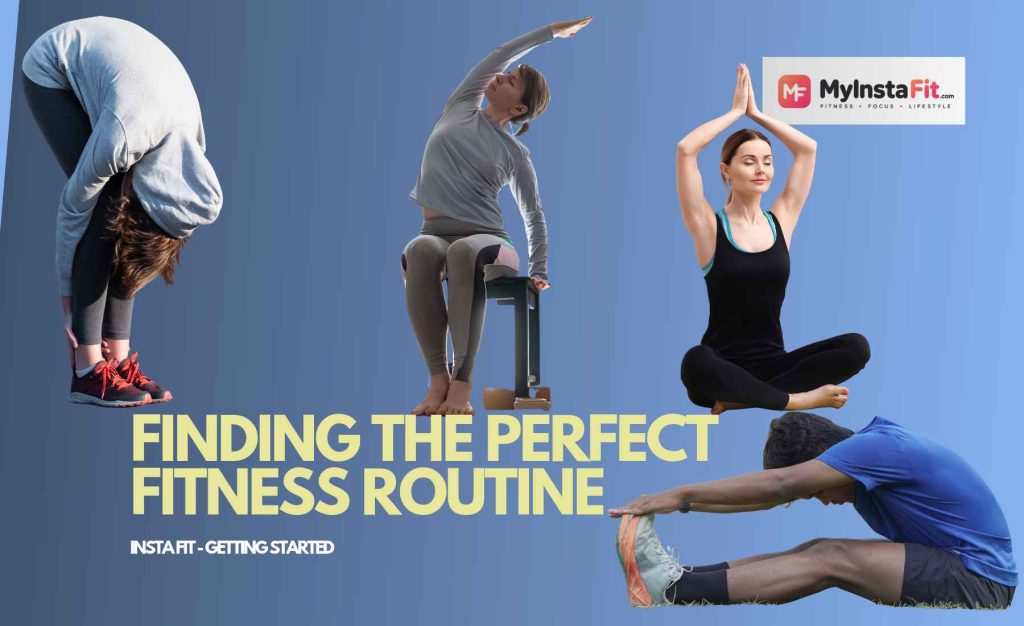
Start Here; You’ll thank yourself in 3 months
The best beginners exercise routine is not the hardest plan, but it is the smartest. It is a simple plan that you can do a group and motivate each other. Starts with short sessions, combined with walking so you can take your Matcha & pumpkin Latte with you. Best of all, you will notice the changes in the shower.
Is it right for you: How to start exercising
- Begin with three short sessions in your first week, not an exhausting seven-day challenge.
- Uses walking and comfortable cardio activity that builds to a simple full-body strength workout.
- Workout at your pace and stay in control. Moderate activity; it will get you out of breath but you’ll feel better every morning.
- Your body will start transform, muscles will bulge and posture will improve.
- Progress is measured; repetitions and resistance are managed — and best of all, you can do it with a partner.
A short session you repeat is more useful than one punishing workout that stops your routine.
Use 10–20 minutes and give your body time to adapt.
That is a useful sign that your cardio effort is around moderate intensity.
Add minutes, repetitions or light resistance — not all three in the same week.
What should a beginner exercise routine include?
A balanced routine does not require a gym, expensive equipment or advanced exercises. It needs three basic ingredients:
- Cardiovascular activity that raises your breathing and heart rate, such as brisk walking, cycling, swimming or low-impact aerobics.
- Strength work for the major muscle groups, using body weight, a chair, resistance bands, weights or gym machines.
- Recovery and everyday movement, including easier walks, mobility and regular breaks from sitting.
Medical reports and professionals suggest adults should work towards at least 150 minutes of moderate-intensity activity each week, or 75 minutes of vigorous activity, plus muscle-strengthening activity on at least two days of each week. That is based on the modern sedentary lifestyle people live. Netflix, takeaways, deliveries to the door all compound this issues.The goal for beginners is to make that transition, step up, take a step and become more active. What you do today will echo in your health for the next decade. And that’s what we want to improve together.We will do our best to bring the fun and have some specifically designed workouts which include group training, group trips to train and explore in other cities and most of all, set you up wth a lifestyle plan that is suitable for you.
Your first four weeks: Let’s take the first step together
This example is designed for a generally healthy adult who is new to structured exercise. Keep the effort comfortable enough that your technique remains controlled.
| Week | Your target | Example structure |
|---|---|---|
| Week 1 | Build the habit | Three sessions of 10–20 minutes. Use easy walking, At least 2500 extra steps from your average. |
| Week 2 | Repeat with control | Keep three sessions. Add around 10 minutes of mobility in the mornings and walking increases by 1k. |
| Week 3 | Create balance | Two full body cardio sessions and include your walking and morning mobility, with walks on recovery days. |
| Week 4 | Make one progression | by adding a few extra repetitions, and a five minute or resistance hold. Keep everything else steady. |
If a week feels too difficult, repeat it. Progress is not a race, and repeating a manageable week is more useful than forcing a harder one with poor technique.
What your first week of exercises will look like
| Day | Activity |
|---|---|
| Monday | 10–20 minute comfortable walk |
| Tuesday | 10-15 minutes of gentle stretching and the same walk. |
| Wednesday | 15–20 minute beginner strength session |
| Thursday | Do the 20 minute walk; break up long periods of sitting |
| Friday | 20 minute walk, and gentle stretching |
| Saturday | Optional gentle activity you enjoy, shopping 🙂 |
| Sunday | put your feet up and evaluate and plan next week |
The exact timing of days do not matter. What matters is choosing times that fit your life and avoiding demanding strength sessions on consecutive days when your body is still adapting.
Workout: A beginner strength workout you can adapt
Warm up for about five minutes by walking, marching gently and practising smaller versions of the movements. Then choose four to six exercises that cover the main movement patterns.
Example 15–20 minute session
- Chair squat or sit-to-stand: 8–12 controlled repetitions.
- Wall or raised press-up: 8–12 repetitions.
- Knee & elbow planks: 20–30 seconds.
- knee raises do seated if difficult: 8–12 repetitions.
- Supported calf raise: 10–15 repetitions.
- Standing pogo jumps or squeeze your core during the exercise: 6–10 repetitions.
Begin with two sets. And take longer breask if needed. Use a wall or sturdy chair for support where needed. Follow a live class to perfect your technique and to train with others.
You do not need to train to complete failure, but if you cant complete the reps, take a rest and then finish them. Stop the set when you feel your technique starting to change, or you lose control of the movement or you would struggle to complete another good repetition.
How hard should a beginner exercise?
For cardio, the talk test is an easy way to monitor effort:
- Easy: you can speak comfortably in full sentences.
- Moderate: you can talk, but singing would be difficult.
- Vigorous: speaking more than a few words is difficult.
Most first-week sessions should feel easy to moderate. High-intensity interval training is not a compulsory starting point, and sweating heavily is not proof that a workout was better.
How to progress without doing too much too soon
After two or three consistent weeks, review how you feel. If you can complete the session with controlled technique and recover before the next workout, change one variable:
- add two or three repetitions to an exercise;
- add one extra set;
- extend one cardio session by five minutes;
- reduce a rest period slightly; or
- add a small amount of resistance.
Do not increase workout frequency, duration, speed, repetitions and resistance all in one session. A small progression is easier to assess and easier to reverse if it is too much.
Muscle soreness, recovery and warning signs
Mild muscle soreness can happen when you try unfamiliar activity. It should not be the goal of your workout. Recovery is supported by sleep, regular meals, hydration and easier movement between sessions.
Stop exercising and seek medical advice if you experience chest pain, dizziness, faintness, unusual or severe breathlessness, a sudden loss of balance or sharp pain. Persistent pain, worsening symptoms or an injury that changes how you move also needs proper assessment.
Seven mistakes that make starting exercise harder
- Starting with a six- or seven-day plan. Your first goal is consistency, not volume.
- Choosing workouts for experienced people. Look for clear beginner, low-impact or supported variations.
- Changing the routine every day. Repeating movements helps you learn technique and notice progress.
- Ignoring strength training. Cardio is useful, but strength supports muscles, bones, joints and everyday movement.
- Treating soreness as success. A good session is one you can recover from and repeat.
- Progressing everything together. Make one small change, then observe how your body responds.
- Waiting for perfect motivation. Put short sessions into your calendar and make the first action easy.
How to make your new exercise routine stick
Choose a minimum version of your plan for busy days. If the full session is 20 minutes, your minimum might be a 10-minute walk or one set of your strength exercises. This keeps the habit alive without pretending every day will be perfect.
Mind over matter; Prepare the night before, decide where you will exercise and record completed sessions. A visible record helps you judge consistency based on evidence rather than memory.
Choose a workout that matches your starting point
Use the free MyInstaFit tools to check the workout, choose a suitable level and start with a plan you can repeat.
Use the free workout checker Get the beginner checklist Explore MyInstaFit workoutsFrequently asked questions
How many days a week should a beginner exercise?
Three short, structured sessions are a practical starting point for many beginners. You can also add comfortable everyday walking. As your recovery and confidence improve, build towards a balanced week that includes strength on at least two days.
How long should a beginner workout be?
A useful first workout may last only 10–20 minutes. Session quality and repeatability matter more than reaching an arbitrary duration. Add time gradually when the current session feels controlled.
Do I need a gym to start exercising?
No. Walking, chair-supported movements, wall press-ups, body-weight exercises and resistance bands can all be used at home. A gym is helpful only if its environment, equipment or classes make you more likely to continue.
What is the best exercise for a complete beginner?
The best exercise is one that matches your current ability, is easy to access and can be repeated consistently. Brisk walking is a simple cardio starting point, while sit-to-stands and wall press-ups are adaptable strength movements.
When should I make my workout harder?
Consider a small progression after you have completed the workout consistently for two or three weeks, your technique remains controlled and you recover before the next demanding session.
Sources and further reading
- NHS physical activity guidelines for adults aged 19 to 64
- NHS Better Health: how to be more active
- NHS guidance on strength and flexibility
- UK Chief Medical Officers’ physical activity guidelines
Medical disclaimer: This article provides general fitness information and is not a medical assessment or a substitute for individual advice. Consult a qualified healthcare professional if you have a medical condition, injury, persistent pain or concerns about beginning exercise.